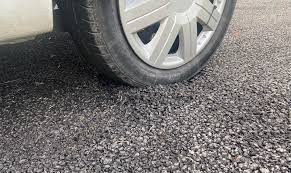
Understanding Dry Turning on Tarmac Driveways: Causes, Damage and Prevention
Tarmac driveways are a popular choice for homes across the Cotswolds and Vale of Evesham, offering a durable and cost-effective surface. However, one of the most common causes of early damage we see at Henson Surfacing is dry turning on tarmac driveways. Understanding how this affects your surface can help you avoid costly repairs and extend the life of your driveway.
What Is Dry Turning and Why Does It Damage Tarmac?
When tyres turn without the vehicle moving, they scrub against the surface rather than roll. This creates intense friction, heat and pressure in one area.
Over time, this can:
- Displace the aggregate within the tarmac
- Weaken the bitumen binder
- Cause visible surface damage
The result is a driveway that not only looks worn but can also deteriorate structurally much faster than expected.
Common Damage Caused by Dry Turning
Surface Scuffing and Marks
Tyres leave black marks and can tear the top layer of the tarmac, especially during repeated manoeuvres.
Loose Aggregate and Pitting
The stones within the surface begin to loosen, creating a rough and uneven finish that worsens over time.
Cracking and Rutting
As the binder weakens, cracks can form. These allow water ingress, leading to further damage during colder months.
Reduced Lifespan
Consistent dry turning can shorten the life of a driveway by years, often leading to early resurfacing or repair work.
Freshly laid tarmac is particularly vulnerable. The surface needs time to cure and harden fully.
During this period:
- The binder is softer and more flexible
- Tyres can leave permanent indentations
- Turning on the spot can cause immediate surface failure
As a guide:
- Avoid driving on new tarmac for at least 2–3 days
- In warmer weather, allow up to 7 days or more
- Avoid sharp turns and heavy vehicles during this time
Following correct aftercare is essential to protect your investment.
How Heat Makes Dry Turning Worse
Tarmac is highly sensitive to temperature. As it heats up, it becomes softer and more prone to damage.
- Surface softening begins at around 50°C
- On hot summer days, surfaces can exceed 60°C
- Even normal manoeuvres can leave marks in these conditions
Dry turning in warm weather significantly increases the risk of:
- Rutting
- Surface deformation
- Long-term wear
How to Prevent Damage to Your Tarmac Driveway
Preventing dry turning damage is simple with the right habits:
- Always keep the vehicle moving slightly when turning
- Avoid turning the wheel while stationary
- Take extra care during hot weather
- Follow all aftercare advice for new driveways
- Consider protective seal coating once cured
These small changes can make a significant difference to the longevity of your driveway.
Professional Repairs and Advice
At Henson Surfacing, we install and maintain tarmac driveways across the Cotswolds, Vale of Evesham and surrounding Worcestershire villages. With years of experience in residential and commercial surfacing, we understand how local conditions, usage and seasonal temperatures affect long-term performance.
Whether you need minor repairs or a full new installation, our team can help you get the most from your surface. Check out our back catalogue of completed projects for inspiration or contact us now to arrange a free consultation.